
- Digital Marketing
- SEO
What is a Dofollow Link?
What "dofollow" links really are (no rel="dofollow" exists), how they differ from nofollow, sponsored and ugc, and how to earn quality links safely.
 AuthorRehmat Ullah5 min readUpdated
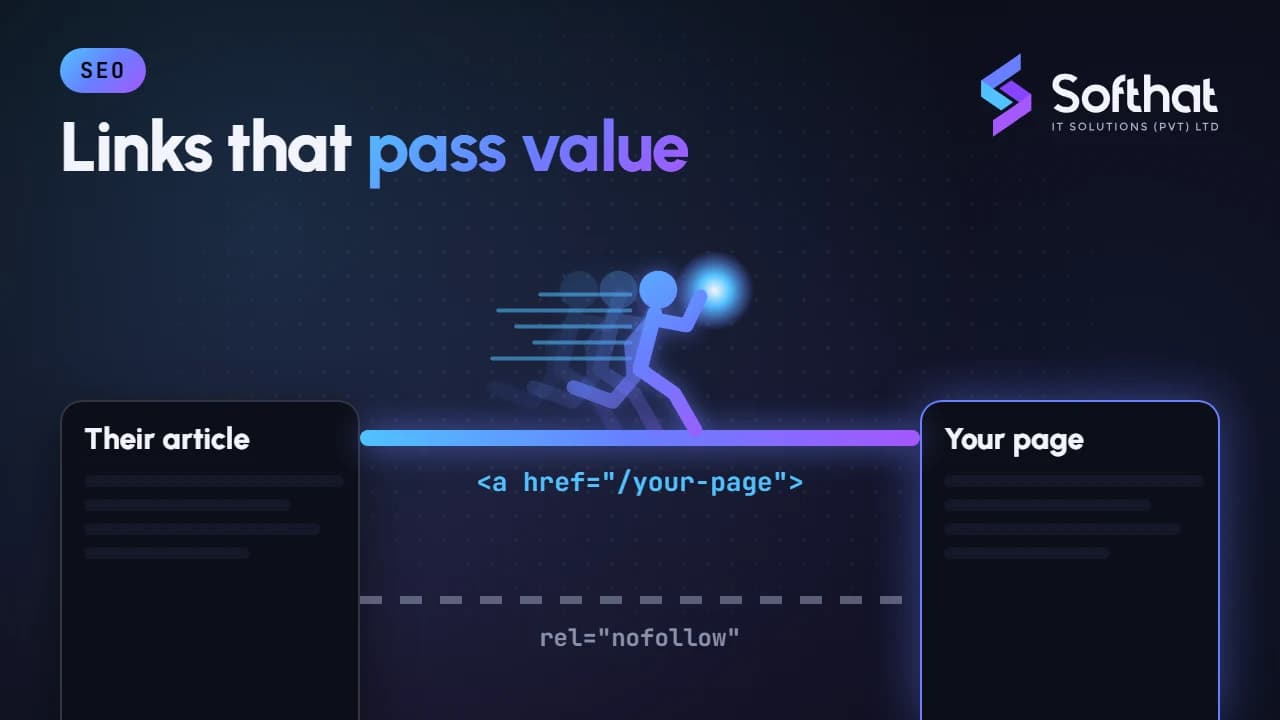
Table of Contents
Links remain one of the ways search engines discover pages and judge how they relate to each other. You will often hear SEOs talk about "dofollow links" as the valuable kind. But the term is widely misunderstood, starting with the fact that there is no such HTML attribute.
In this article, we explain what a dofollow link really is, how it differs from nofollow, sponsored and ugc links, why these links matter, and how to earn them without breaking Google's rules.
What is a Dofollow Link?
1. Definition:
- "Dofollow" is an informal name for a normal link: one that has no
rel="nofollow",rel="sponsored"orrel="ugc"value. Search engines can follow it and may count it as an editorial signal for the linked page. SEOs often call this passing "link equity" or "link juice".
2. Characteristics:
- HTML Code: A dofollow link is simply a standard link with no qualifying
relvalue, for example:<a href="https://example.com/">Example</a>. There is norel="dofollow"attribute. Google recognizesnofollow,sponsoredandugcas link hints; writingrel="dofollow"does nothing. - Can Pass Ranking Signals: Because it isn't qualified, a dofollow link can be used by Google's link analysis systems to understand the linked page. That is also why paid dofollow links break Google's spam policies.
- Looks the same to users: Visitors can't see the difference. Both kinds of link are clickable and can send traffic.
Dofollow vs Nofollow, Sponsored and UGC
- Dofollow (no attribute): Editorial links you are happy to vouch for, such as a citation to a source or a recommendation of a useful tool.
rel="sponsored": Paid placements, adverts and affiliate links.rel="ugc": Links posted by users in comments, forums or reviews.rel="nofollow": Other links you don't want to vouch for, when the values above don't fit.
Since 2019, Google treats these values as hints rather than strict commands. See Google's guide to qualifying outbound links and our article on nofollow links.
Importance of Dofollow Links for SEO
1. Supports PageRank and Link Analysis: Google's ranking systems guide lists link analysis systems and PageRank among its current systems. Editorial links from relevant sites help Google understand what your pages are about and how they fit into the web. The public PageRank score in the old Google Toolbar is long gone, so any "PR" number you see today comes from a third-party tool, not Google.
2. Builds Authority (Not "Domain Authority"): Quality links from respected sites help show that others trust your content. Scores such as Domain Authority (DA) or Domain Rating (DR) are made by SEO tool companies to estimate this. They can be handy for comparison, but they are not Google metrics.
3. Increases Organic Traffic: Relevant links can support better rankings over time, and better rankings bring more organic visitors. Links from busy pages also send referral traffic directly.
4. Establishes Credibility: Being cited by respected publications, universities, industry bodies or well-known Pakistani news sites builds brand trust with people, not just search engines.
5. Improves Discovery: Search engines find new pages by following links. Links from other sites, along with your own internal links and sitemap, help Google discover and recrawl your content.
How to Acquire Dofollow Links
1. Create High-Quality Content: Publish things people want to cite: original research, local data, clear guides, free tools or templates. Useful content earns editorial links on its own.
2. Guest Blogging (With Care): Writing for respected sites in your industry builds exposure and relationships. But Google's spam policies name "links with optimized anchor text in articles, guest posts, or press releases distributed on other sites" as link spam. Treat guest posts as a way to reach readers, and don't insist on keyword-rich dofollow links.
3. Build Relationships: Networking with journalists, bloggers and industry groups leads to interviews, quotes, podcasts and partnerships. These often produce natural, editorial links.
4. Utilize Social Media: Links on social platforms are usually nofollow, but sharing your content helps the right people see it. Some of them will write about it and link to it from their own sites.
5. Be Selective With Directories and Forums: Mass directory submissions and forum signature links are an outdated tactic. Google's spam policies name low-quality directory or bookmark links and forum comments with optimized links as link spam. A few relevant, real directories, such as a chamber of commerce or industry association listing, are fine for customers, not for "link juice".
6. Fix Broken Links: If other sites link to pages on your site that no longer exist, redirect those old URLs to the most relevant live page. You can also find broken links on other sites that pointed to similar resources and suggest your page as a replacement.
7. Digital PR: Share newsworthy stories, such as a survey of your customers or a local industry trend, with journalists. Coverage from real publications brings credible links and brand mentions.
What to Avoid
- Buying dofollow links: Exchanging money, goods or services for links that pass ranking credit is link spam. Paid links are only acceptable when marked
sponsoredornofollow. - Link exchanges and networks: Excessive "link to me and I'll link to you" deals, and networks of sites built only to link to each other.
- Automated link building: Tools or services that create links for you at scale.
Conclusion on What is a Dofollow Link
A "dofollow" link is just a normal link without nofollow, sponsored or ugc. There is no rel="dofollow" attribute. Editorial links like these still help Google understand and rank your pages.
Earn them with useful content, real relationships and digital PR, not by buying or mass-producing links. Quality and relevance matter far more than quantity.
Elevate Your SEO Game!
Want links that help your rankings without risking a penalty? Softhat IT Solutions builds ethical link-earning campaigns based on content and outreach. Explore our SEO services, or book a free strategy call to review your current link profile.